
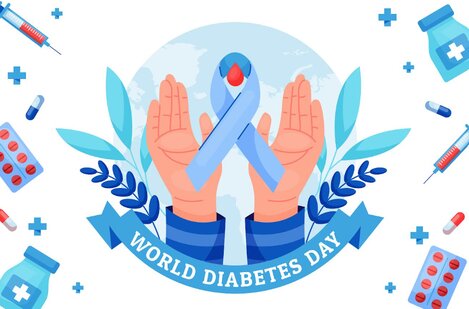
KUALA LUMPUR — While the arrival of a newborn naturally shifts a mother’s focus entirely toward infant care, healthcare advocates emphasize that a woman’s health must not take a back seat once childbirth is complete. According to Dr Anitha Ponnupillai, Associate Professor in Obstetrics and Gynaecology at Taylor’s University, this vigilance is critically important for women who experienced gestational diabetes a condition where pregnancy-related hormonal changes impair blood sugar regulation. Although glucose levels frequently normalize post-delivery, affected women face a substantially heightened long-term risk of developing prediabetes, type 2 diabetes, cardiovascular complications, and hypertension later in life. Furthermore, this health impact can extend intergenerationally, as children exposed to elevated intrauterine glucose levels carry a higher predisposition to obesity and metabolic disorders.
Why Postpartum Screening for Gestational Diabetes Is Crucial
The urgency for heightened postpartum awareness is underscored by rising prevalence rates. Data from the International Diabetes Federation indicates that gestational diabetes affected approximately 15.6% of pregnancies globally in 2024, while local studies in Malaysia show an alarming increase from 12.5% in 2016 to 27.1% in 2022. Despite medical guidelines recommending postpartum diabetes screening between four to 12 weeks after delivery, a significant number of women miss these critical appointments due to newborn care demands, work constraints, and limited risk awareness. Dr Ponnupillai stresses that a normal immediate postpartum test result does not erase long-term vulnerability, making ongoing, routine glucose monitoring an indispensable continuation of maternal healthcare rather than an optional follow-up.
Bridging the Follow-Up Gap Through Lifestyle and Digital Care
Safeguarding long-term maternal and family well-being requires bridging the postpartum follow-up gap through structured multidisciplinary support, lifestyle modifications, and enhanced digital health interventions. Adopting balanced nutritional practices such as the Malaysian Healthy Plate “Quarter-Quarter-Half” model alongside at least 150 minutes of moderate-intensity physical activity weekly, can significantly mitigate future risks. Additionally, healthcare providers must leverage telehealth solutions, automated reminders, and community education to make continued screening more accessible. By prioritizing comprehensive postpartum care long after childbirth, society can protect not only the long-term health of mothers, but also secure a healthier future for generations to come.











Leave a Reply